The Challenge
Oregon State University needed a world-class forest research facility that would not only advance climate science but embody the principles it studies. The building needed to:
- House sensitive research equipment requiring precise environmental controls
- Serve as a living laboratory for timber construction and forest carbon sequestration
- Accommodate 120 researchers while minimizing ecological footprint
- Demonstrate that high-performance science buildings can be entirely fossil-fuel-free
Design Philosophy
"How do you design a building that studies forests... out of forest materials, without harming forests?"
Our approach centered on reciprocity with nature — using responsibly harvested timber as both structure and carbon storage, while creating a building that gives back more than it takes.
Mass Timber Structure
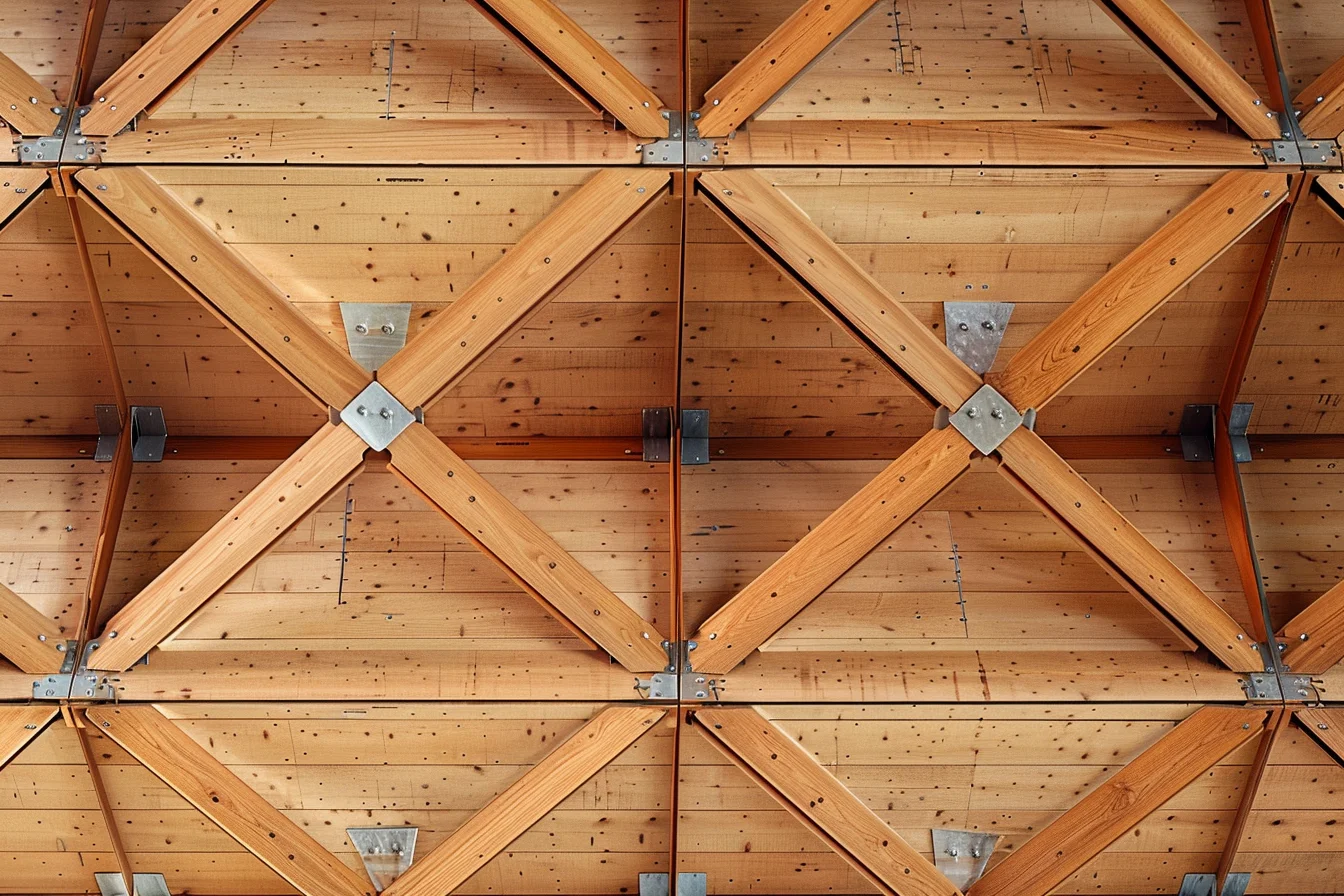
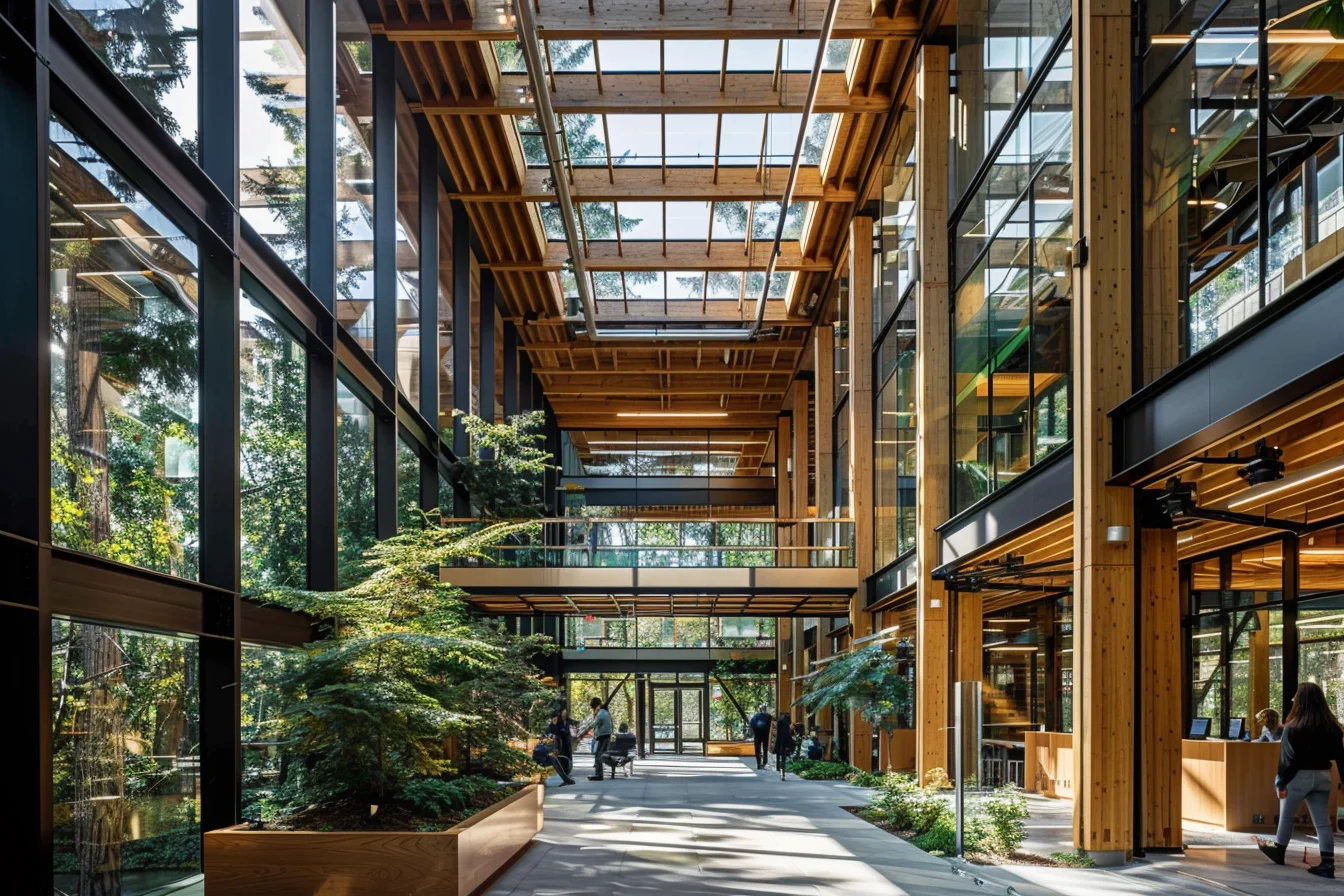
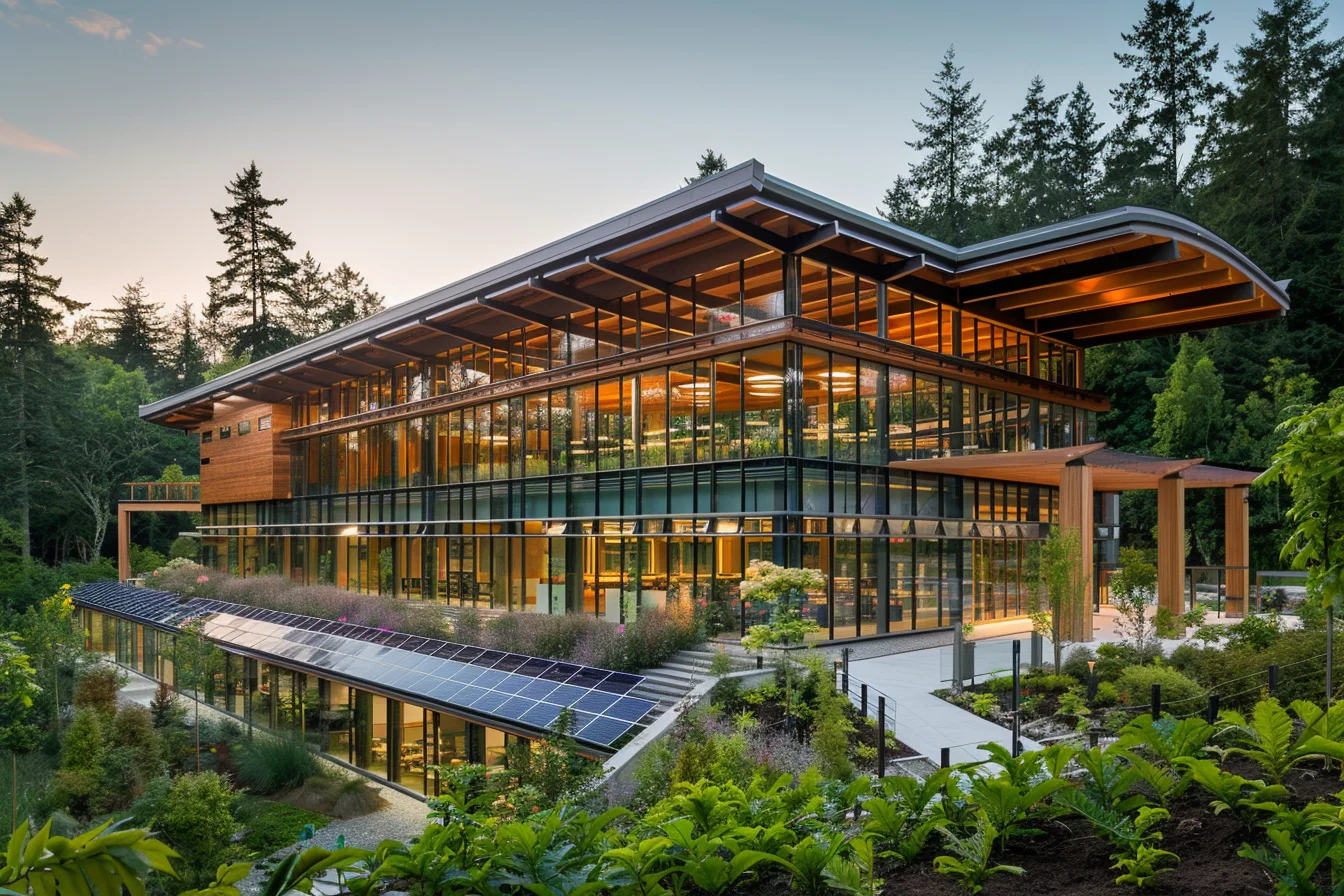
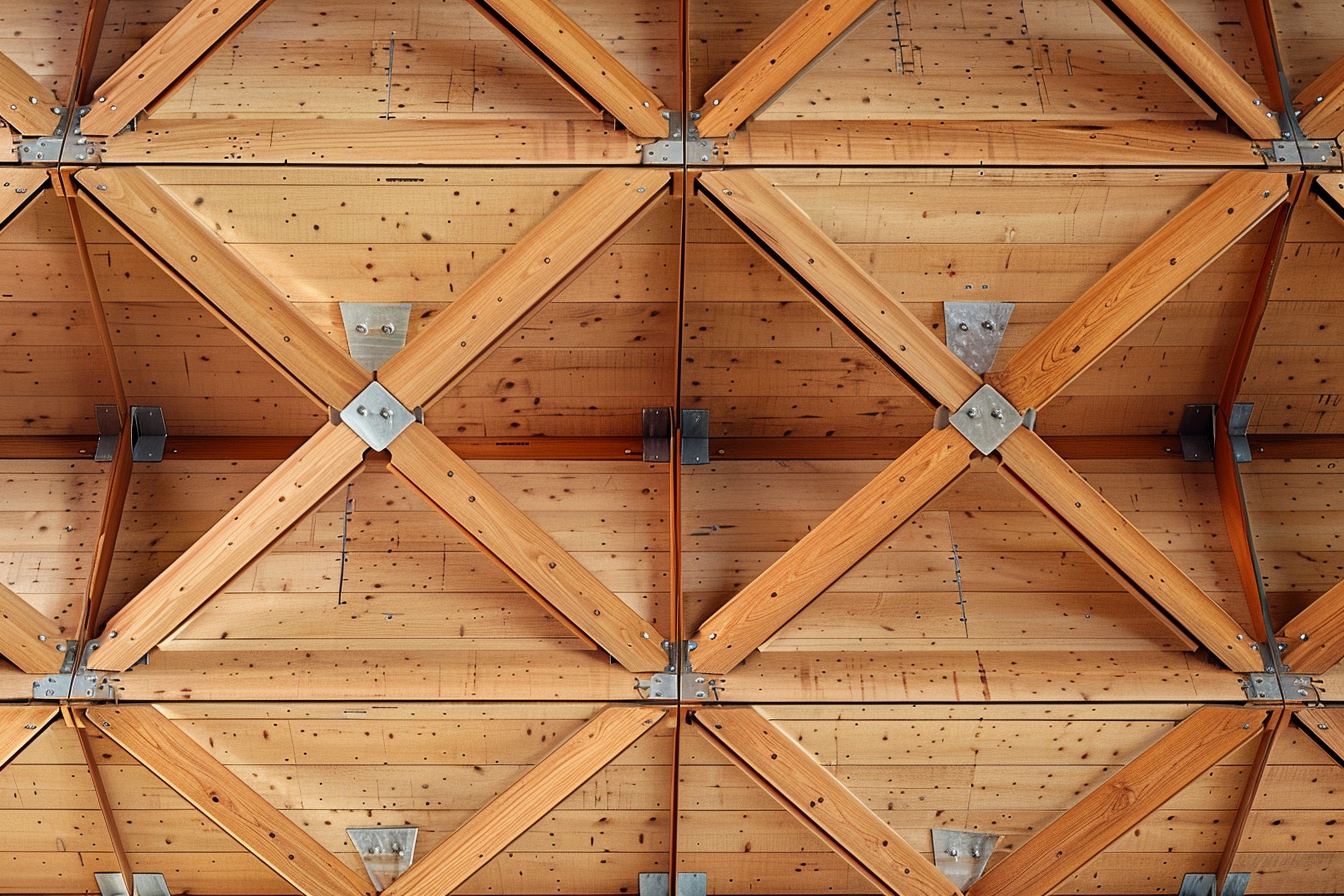
Cross-laminated timber from certified Oregon forests forms the building’s skeleton, storing 1,200 tons of CO₂. This mass timber system achieved 75% less embodied carbon than a traditional steel and concrete equivalent.
Living Systems
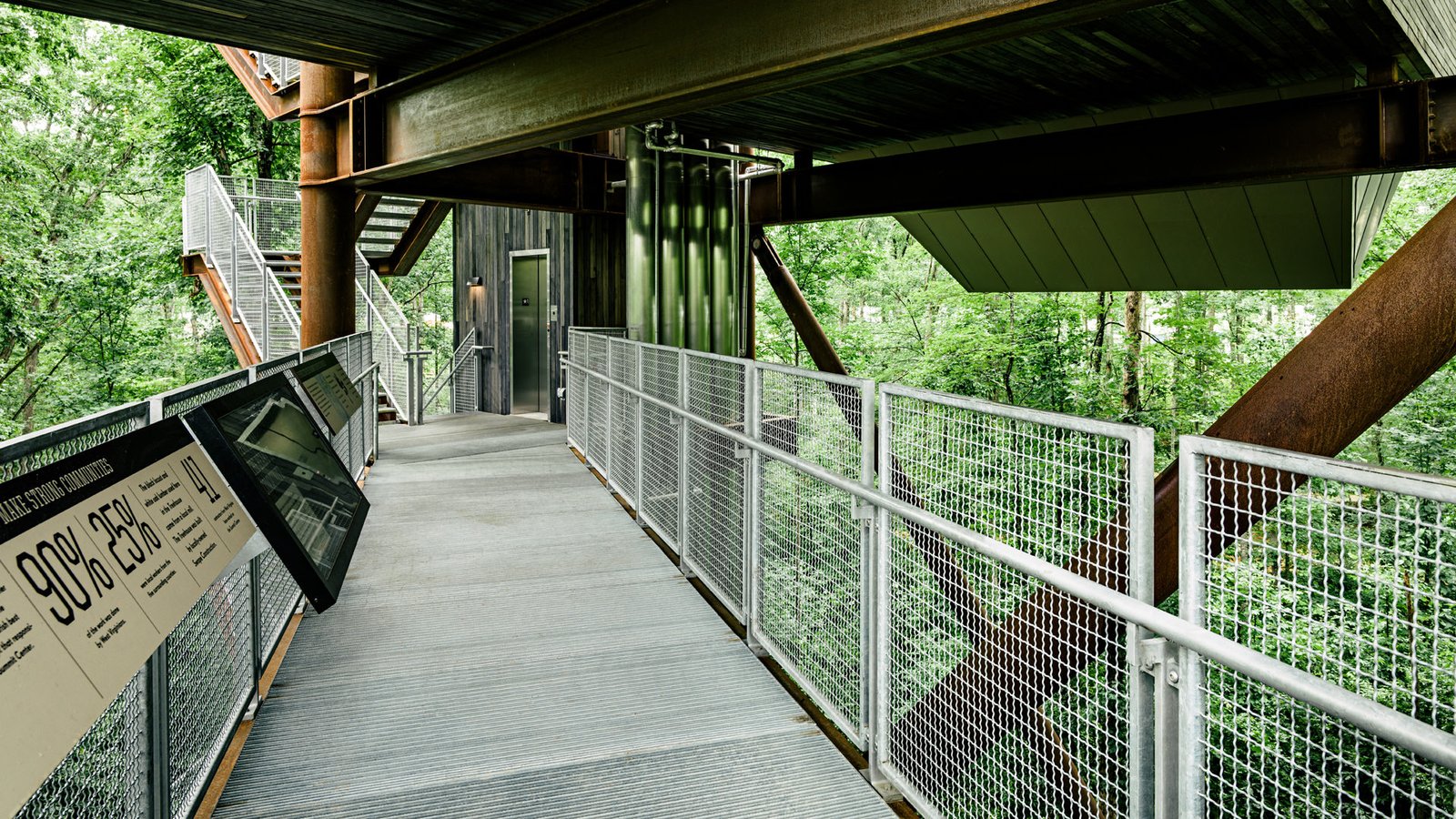
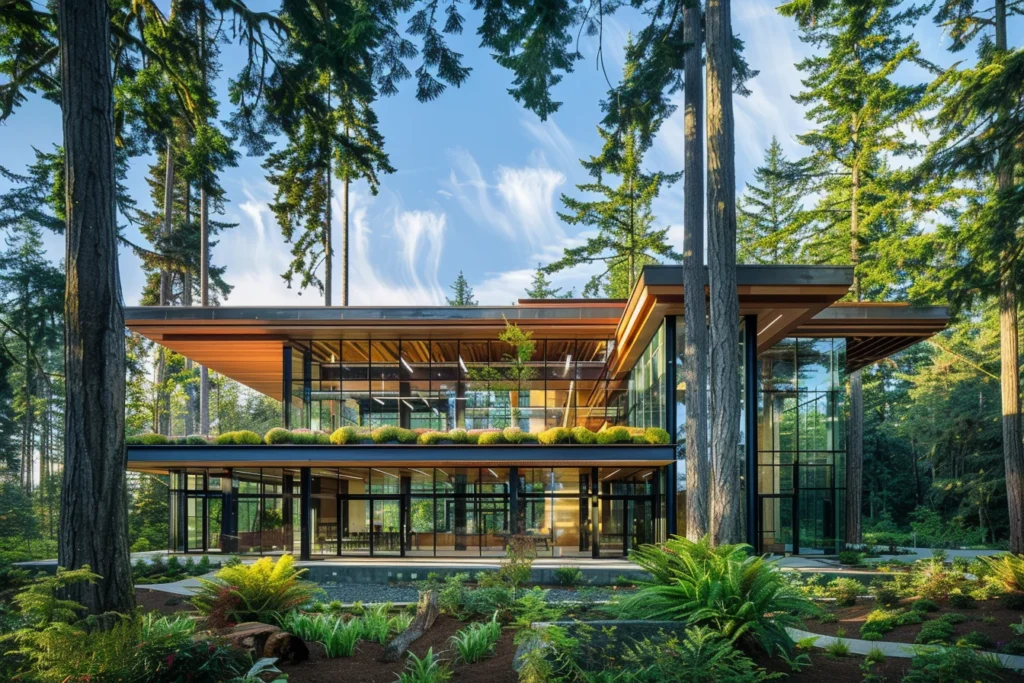
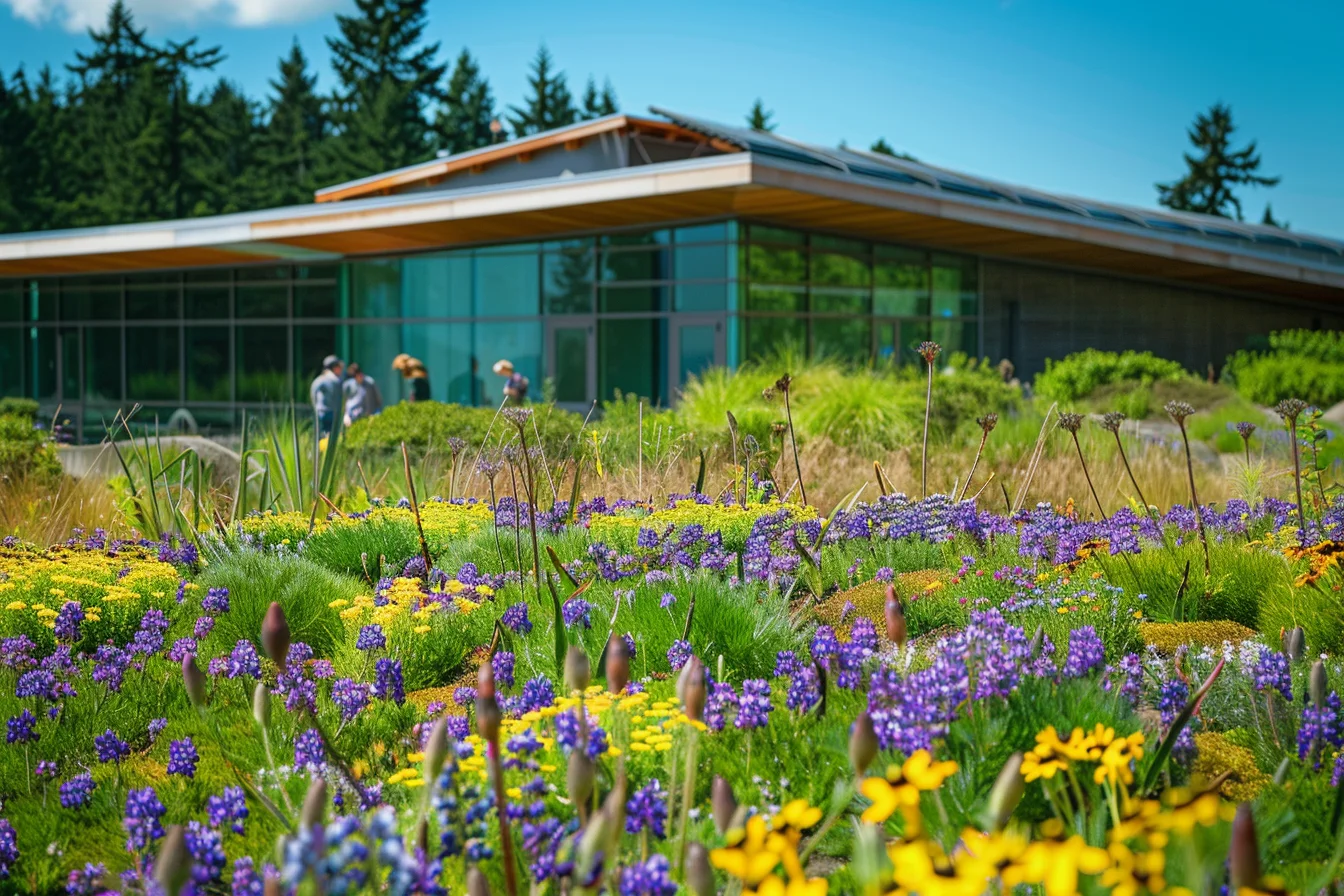
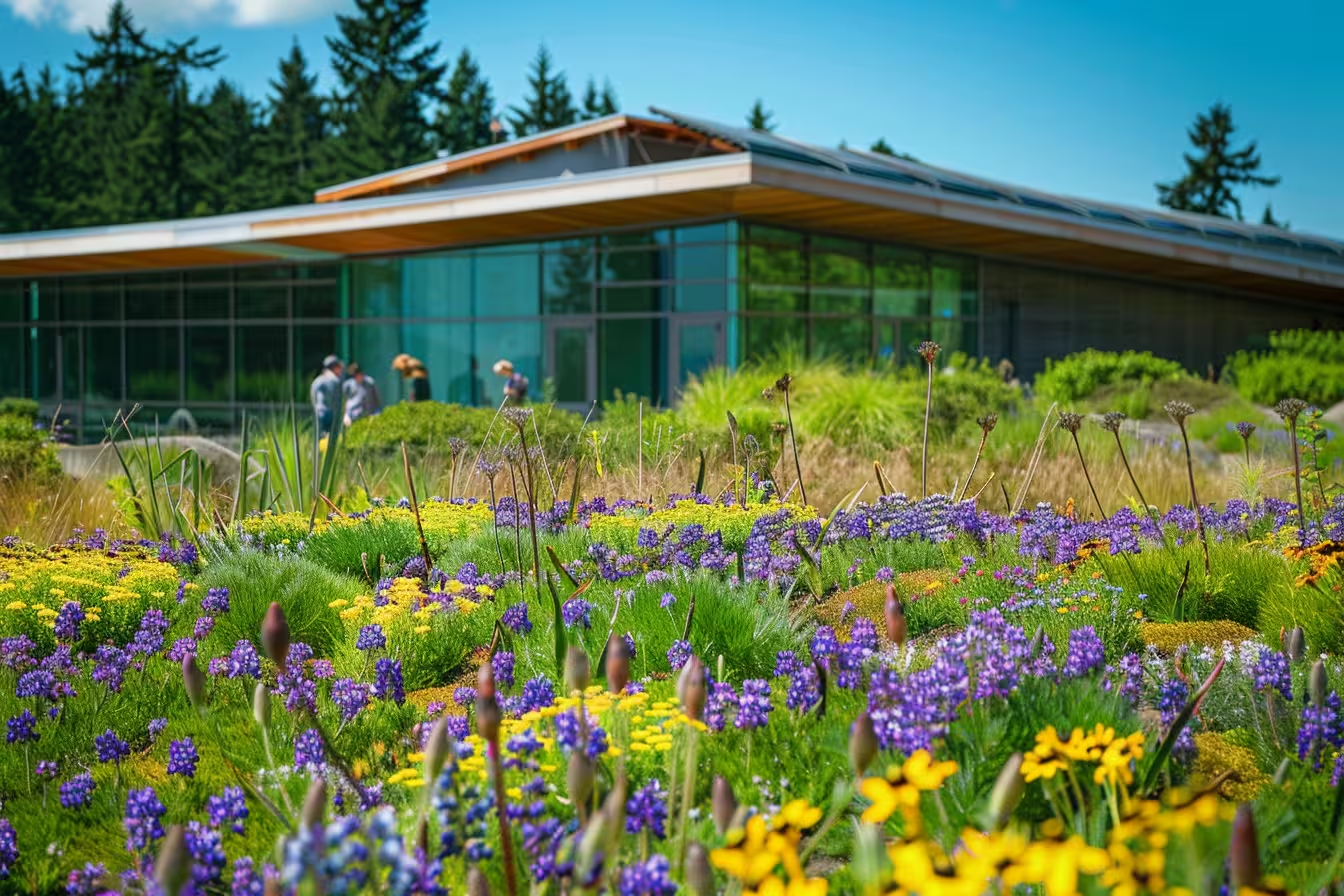
The green roof hosts native Pacific Northwest species while managing all stormwater on-site through integrated bioswales. An interior “research forest” atrium brings 40+ native tree species inside the building.
Water Innovation
Rainwater harvesting supplies all non-potable uses, while a constructed wetland naturally treats graywater. The system achieves 85% water reduction compared to conventional research buildings.
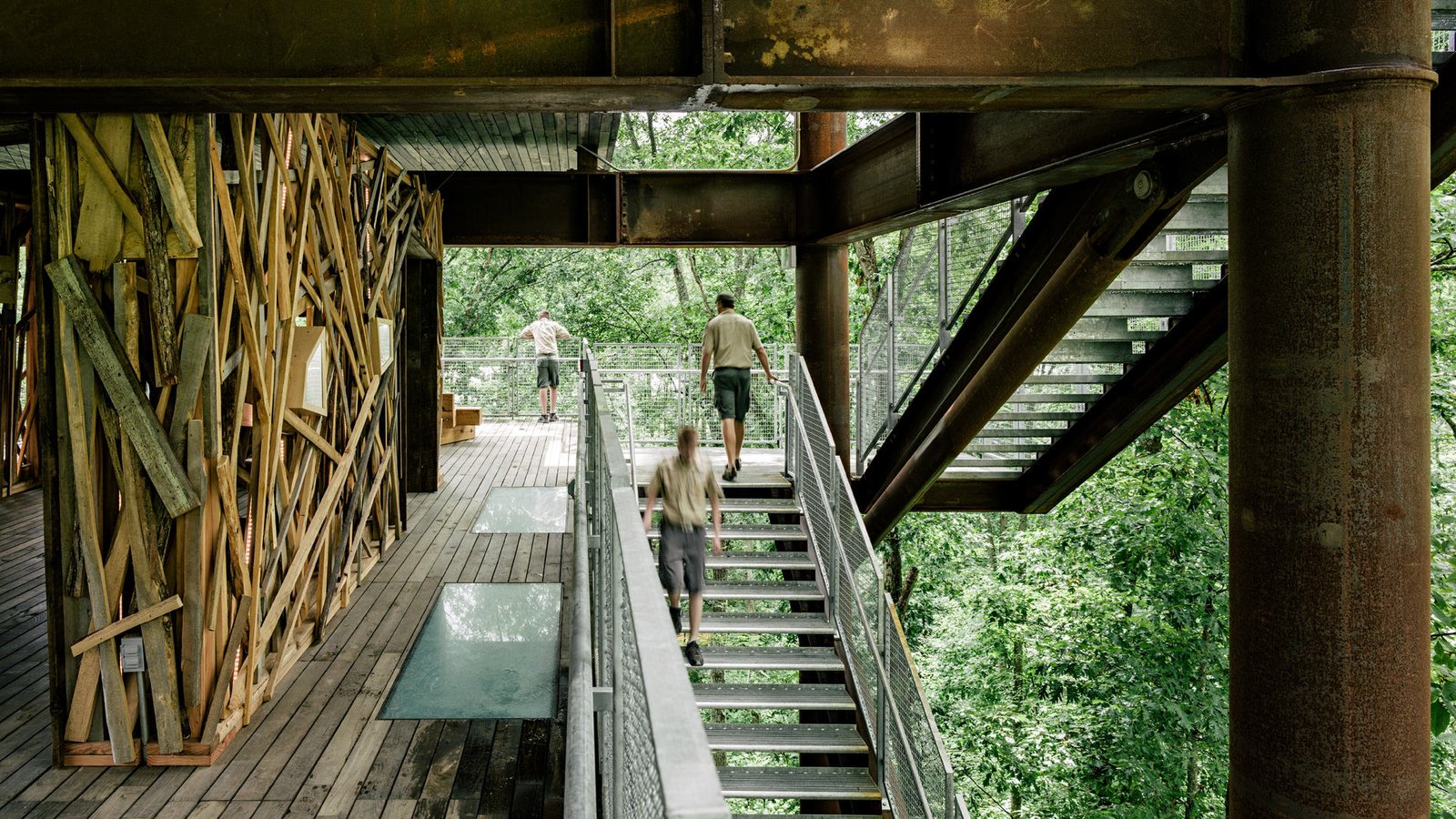
Economic Value
An 8% construction cost premium delivers $280,000 in annual energy savings with an 11-year payback. The facility has increased research grant success rates as funders are drawn to the sustainable infrastructure.
Environmental Performance
Net-positive energy returns 47,000 kWh annually to the grid while maintaining zero operational carbon emissions. The building sequesters carbon equivalent to removing 260 cars from roads and diverted 95% of construction waste from landfills.
Energy Performance
A 440kW solar array generates 115% of the building’s energy needs, while ground-source heat pumps and radiant floors eliminate fossil fuel dependency. Daylit labs reduce artificial lighting requirements by 70%.
Biophilic Integration
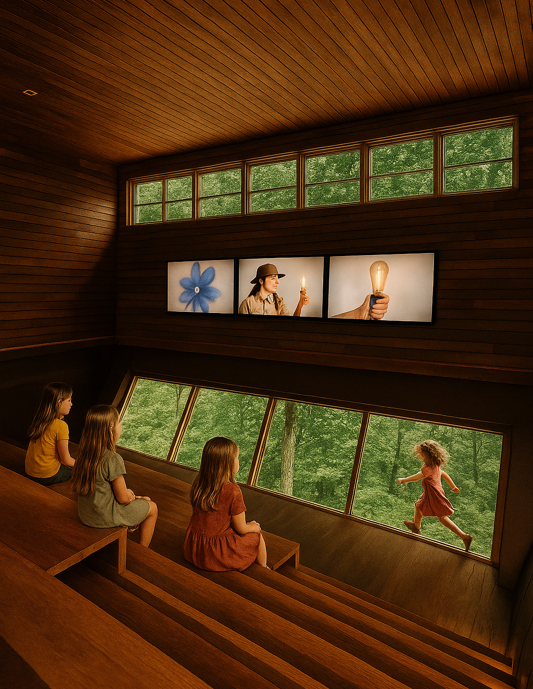
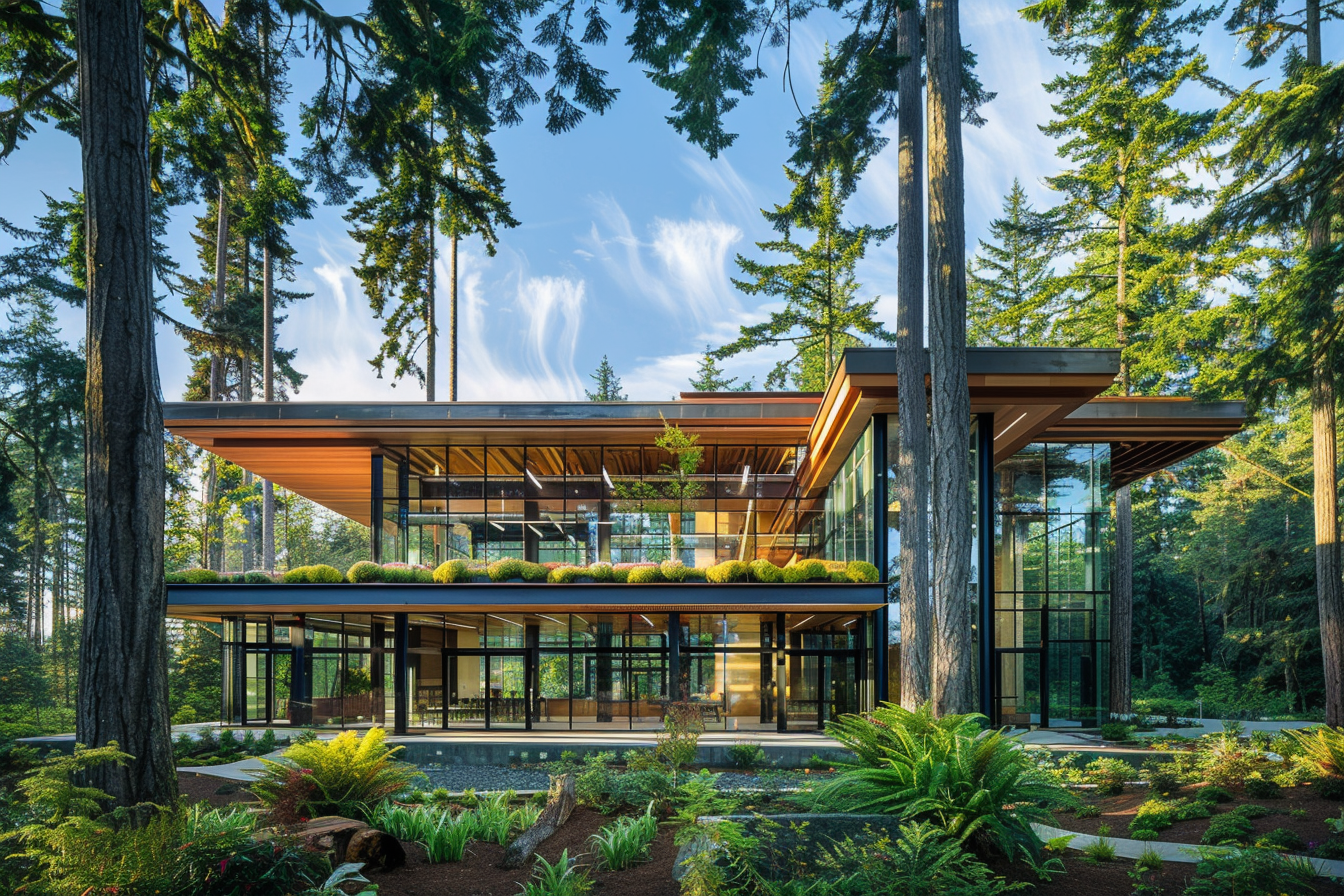
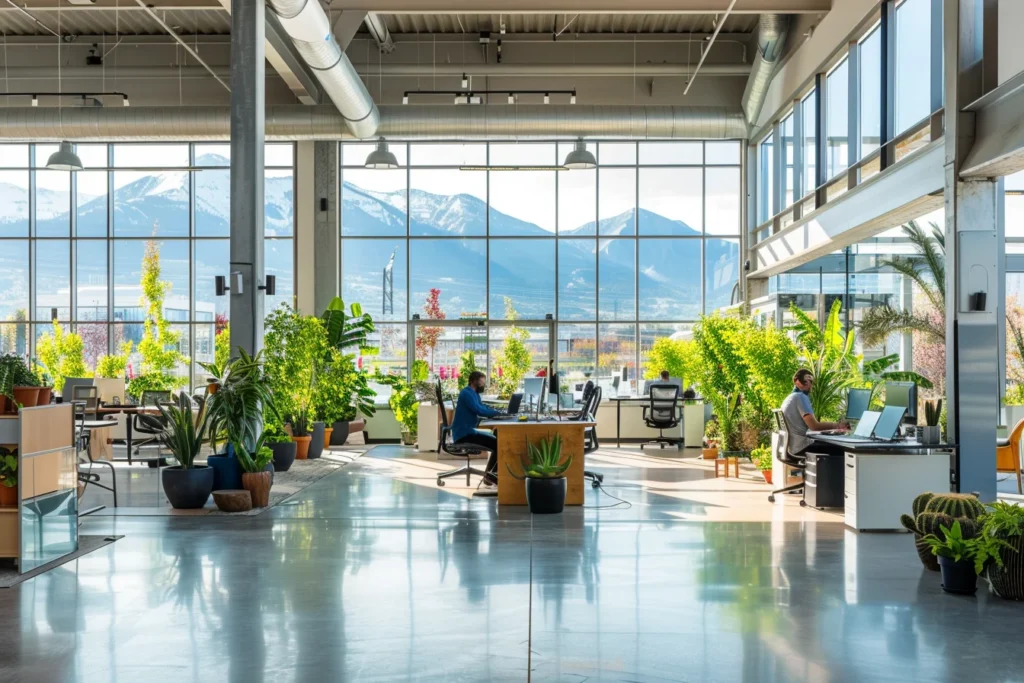
Every workspace connects to nature through forest or green roof views, with natural ventilation operable in 60% of spaces. Acoustic timber ceilings and integrated “forest bathing” circulation paths maintain constant connection to natural materials and rhythms.
Research & Education
Over 200 sensors make the building itself a research subject, hosting 1,500+ student tours annually. Performance data is shared openly with the design community, generating 12 peer-reviewed papers on the building’s innovations.
Let’s Design Something Meaningful
If you’re planning a residential, commercial, or institutional project that prioritizes ecological health alongside human comfort—and demands architects who think beyond building codes—we should talk.
Book a Consultation