At Verdant, we design the architecture that nature needs.
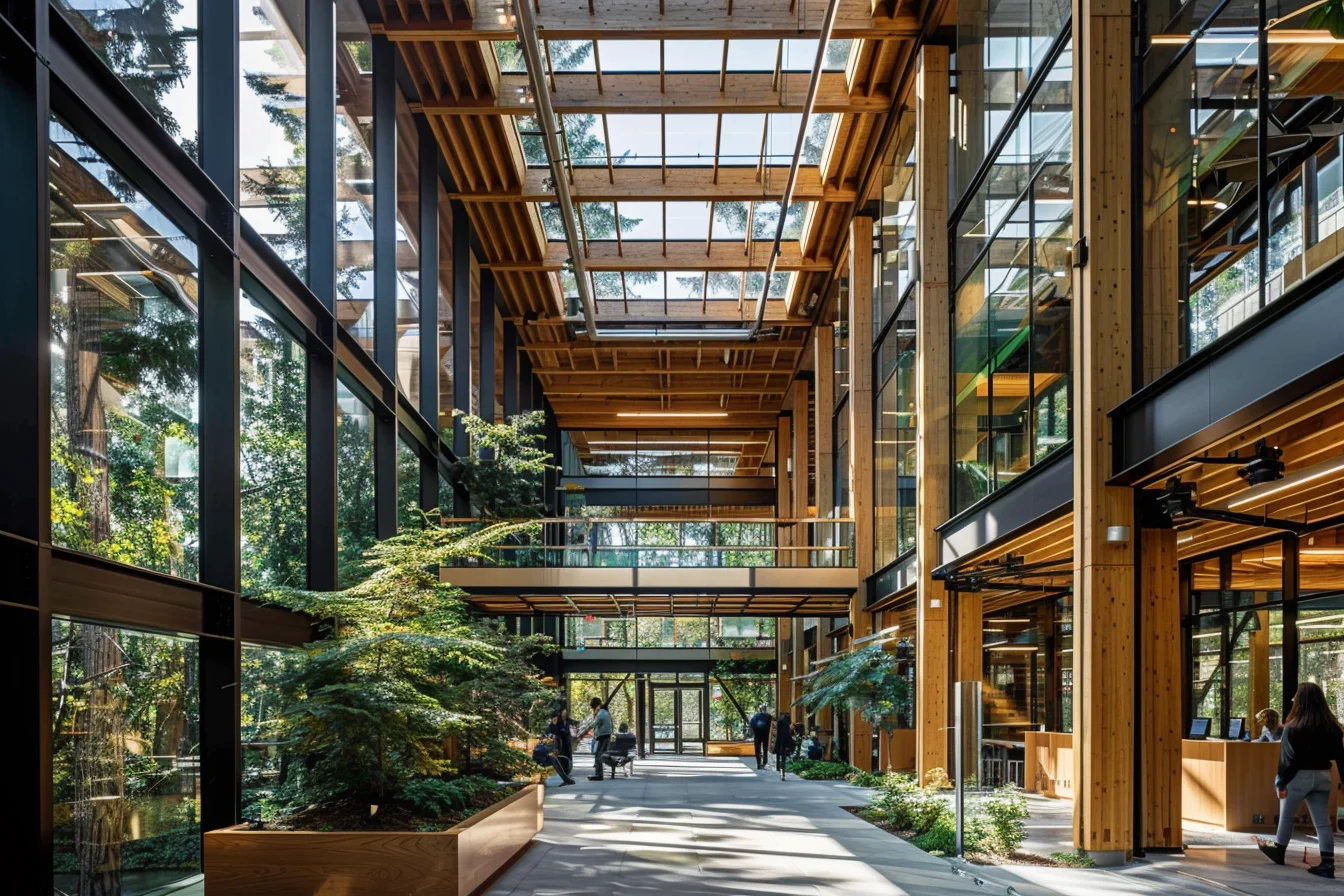
We’re Verdant Architecture, a 15-person team in Portland designing buildings that don’t just sit on the land—they give back to it.
For the past decade, we’ve been working on homes and commercial spaces that hit LEED certification and then some. Our crew includes architects, ecological designers, and building science nerds who all care about the same thing: making sure what we build today actually helps the planet tomorrow.
We’re not here to guilt anyone. We just think sustainable design should be the standard, not the exception. And we’re pretty good at making it happen.
We Design With Nature, Not Around It
Most architecture treats the natural world like an obstacle course. We treat it like a partner.
When we design a building, we’re thinking about what happens in 20 years when the saplings we planted become shade trees. We plan foundations that won’t choke out root systems. We choose materials that trap carbon instead of releasing it. And we accept that buildings shouldn’t last forever—sometimes the best thing a structure can do is get out of the way gracefully.
Every Material Choice is a Climate Choice
Basically, we’re building scaffolding for the forests that come next.
We track the carbon in our materials the way other firms track line items in a budget. It matters that much.
Mass timber locks up CO₂. Green roofs handle stormwater and cool the neighborhood. Solar panels flip buildings from energy drains to energy sources. That’s all baseline for us.
But here’s where we push further: we design buildings that give back more than they take. Net-zero energy? That’s not the goal anymore. We’re aiming for net-positive impact.
In 50 years, one of our buildings should have:
- Stored more carbon than it cost to build
- Created habitat instead of paving over it
- Made more energy than it used
- Actually improved the local watershed
That’s regenerative design. Leave it better than you found it.
People Need Nature—Our Buildings Reflect That
We don’t stick plants in a lobby and call it biophilic design.
We build with natural light, cross-breezes, and materials that feel good to touch. We frame views of trees and sky. We use finishes that clean the air instead of polluting it. This stuff isn’t extra. It’s essential.
There’s a mountain of research proving what we already know: when people spend time in spaces connected to nature, they’re healthier, sharper, and happier. So we design thresholds into the natural world, not bunkers hiding from it.
What we do
Residential Design
Custom homes and multi-family developments that achieve net-zero energy performance while maximizing connection to nature. From hillside residences with passive solar design to urban infill projects that restore habitat, we design homes that honor both human comfort and ecological health.
Commercial Projects
Office buildings, research facilities, and mixed-use developments where sustainability drives value. Mass timber structures, biophilic interiors, and aggressive energy reduction strategies prove that commercial projects can lead on climate action while delivering superior workplace environments.
Institutional & Educational
Schools, community centers, and public buildings designed as living laboratories. We specialize in projects that educate through their very existence—where solar arrays, living roofs, and natural ventilation become teaching tools.
Adaptive Reuse & Historic Preservation
Transforming existing structures into high-performance buildings while honoring their history. Keeping embodied carbon in place, celebrating industrial character, and proving that old buildings can become the greenest buildings.
Our Approach
1. Discovery & Site Analysis
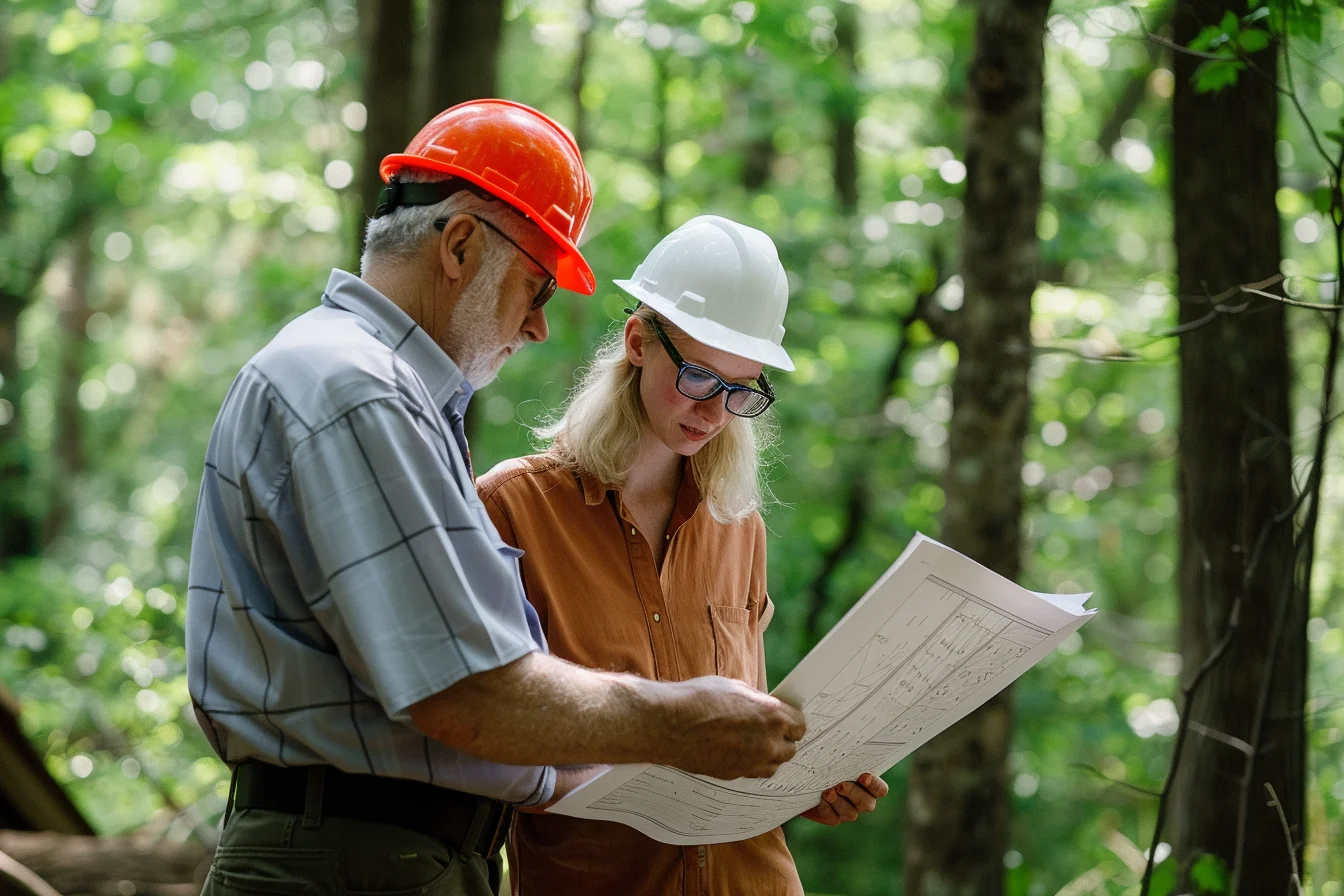
Every project begins by listening—to the client’s vision, the site’s ecosystems, and the climate data. We conduct carbon modeling, ecological assessments, and solar analysis before drawing a single line. Good design starts with understanding what’s already there.
2. Integrated Design Process
We collaborate with structural engineers, landscape architects, and MEP specialists from day one. Sustainability isn’t an add-on; it’s woven into every decision. Early coordination means fewer conflicts, lower costs, and better performance.
3. Carbon-First Material Selection
We track embodied carbon for every major material decision. Mass timber over steel. Reclaimed materials over new. Local sourcing over long-haul shipping. Every choice is documented, calculated, and optimized for minimum climate impact.
4. Performance Modeling
Energy modeling, daylighting analysis, and thermal comfort simulations ensure our designs will perform as promised. We don’t guess at sustainability—we model, test, and verify.
5. LEED & Beyond
We pursue LEED certification on every eligible project, but we don’t stop there. Our buildings target net-zero energy, Living Building Challenge principles, and Passive House standards when appropriate. Third-party verification keeps us accountable.
6. Construction Support & Commissioning
Green buildings only work if they’re built correctly. We provide detailed construction observation, commissioning support, and post-occupancy evaluations to ensure performance meets design intent.
Our studio brings together diverse expertise in sustainable design, building science, biophilic architecture, and ecological systems. Several team members hold LEED AP credentials, and we maintain ongoing collaborations with forest ecologists, climate scientists, and material researchers.
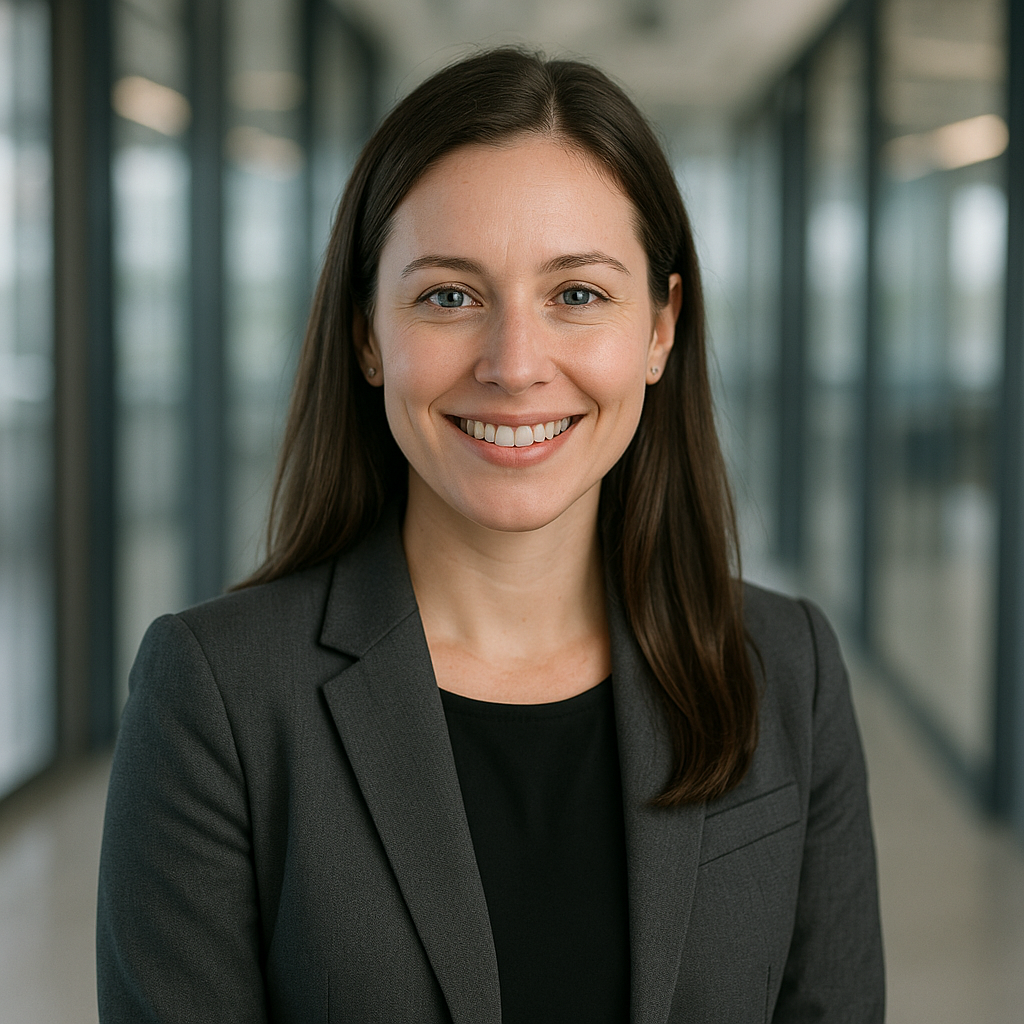

Sarah Jennings
Marketing Director

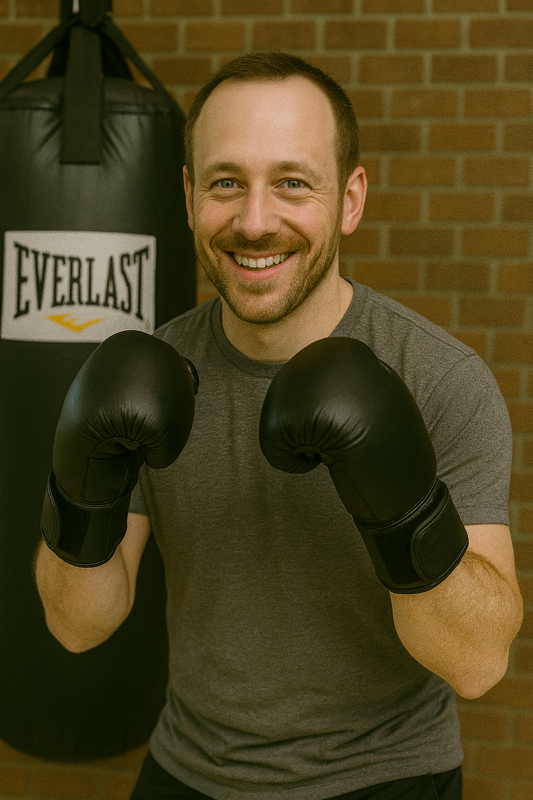
Michael Tran
Senior Web Developer

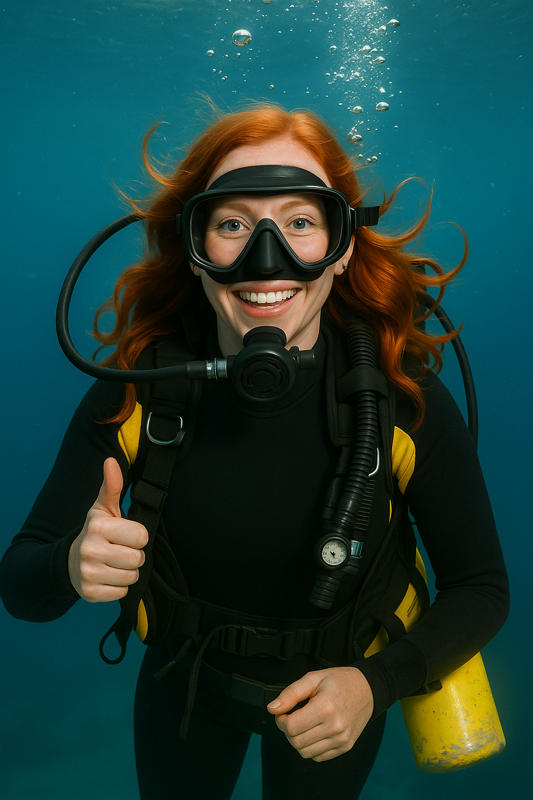
Emily Rhodes
Creative Director


Jacob Ellis
Technical Project Manager
Our work is done in collaboration with




Frequently Asked Questions
Still have questions?
Those were the questions we hear most often, but every project is unique. If something else is on your mind—budget, timeline, technical concerns, or whether we’re the right fit—let’s talk.
Book a Consultation