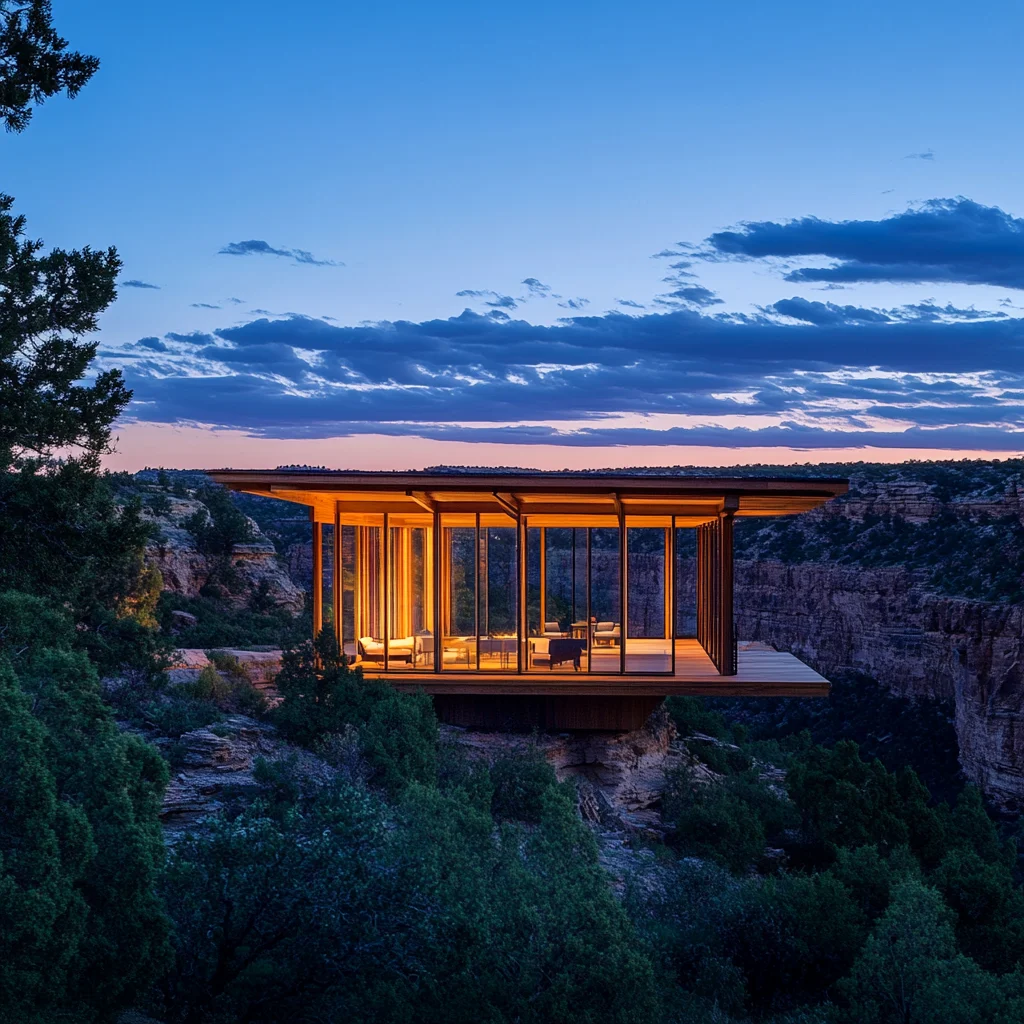
When architecture becomes scaffolding for the forest to come
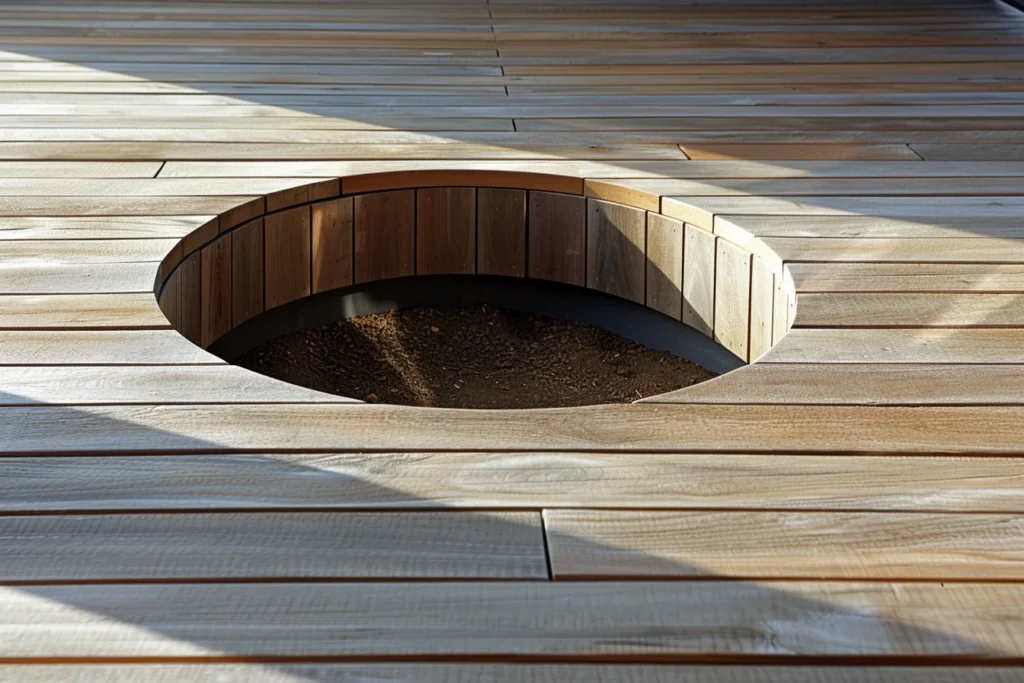
We’ve learned how to build around trees.
The next challenge is learning how to build for them—designing architecture that anticipates growth, succession, and its own eventual obsolescence.
Preservation is the past tense of sustainability. Regeneration is the future.
From Preservation to Partnership
This series began with the math of not cutting down existing trees. It examined the false economies of elevated structures and luxury wellness pavilions. It explored how affordable housing can adopt preservation tactics.
But what if we stopped thinking defensively—protecting what exists—and started thinking generatively?
What if our buildings weren’t monuments, but mentors for the forests to come?
This isn’t theoretical. A small but growing number of architects are already designing this way.
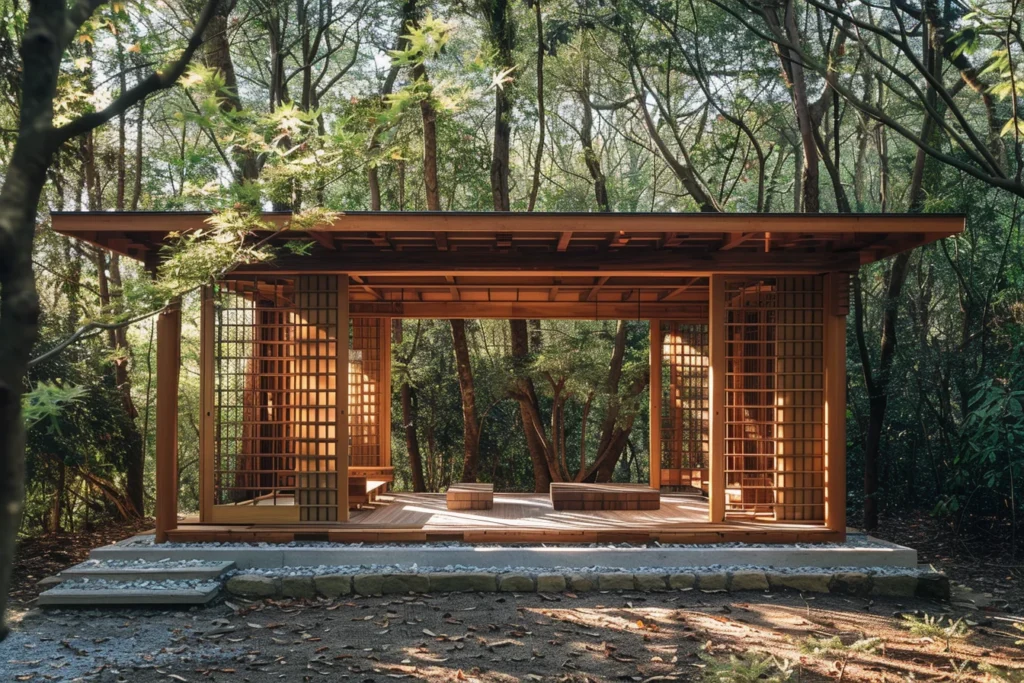
Global Precedents in Succession Design
Japan: Architecture as Temporary Tenant
Kengo Kuma’s porous timber structures and Shigeru Ban’s temporary pavilions embody a philosophy where buildings are designed to yield. In Japanese forest-temple traditions, structures are rebuilt every generation—synchronized with forest cycles rather than competing with them.
The building doesn’t outlast the tree. They coexist, and when the tree wins, that’s success.
Scandinavia: Engineering for Root Expansion
Norwegian woodland cabins are increasingly designed with foundations pre-engineered to accommodate root expansion. Adjustable deck systems allow panels to be removed as saplings mature. The structure adapts rather than conflicts.
Switzerland: Growth Corridors in Urban Blocks
A landscape architecture firm in Zurich is mapping 50-year canopy corridors through residential blocks—reserving voids in hardscape and building foundations for trees that don’t exist yet. The master plan shows not what is, but what will be.
The Mechanics of Designing for What’s Coming
Five principles we’re developing:
- Oversized Openings: Reserve voids in decks and foundations for future saplings (10-20 year horizon)
- Adjustable Deck Systems: Modular piers and removable panels that adapt to root expansion (15-40 year horizon)
- Degradable Fill Zones: Strategic use of materials that decompose and allow root penetration (20-50 year horizon)
- Vegetation Corridors: Long-term canopy planning mapped into site design (50-100 year horizon)
- Succession Modeling: Using arborist growth data to simulate future tree positions and design around them preemptively
The technical challenge isn’t the individual tactics—it’s integrating time as a design material.
Design for Succession, Not Permanence
Traditional “design for disassembly” aims for material reuse. Design for succession aims for graceful replacement.
Buildings become scaffolding for ecosystems—to be outgrown, not preserved forever.
A speculative timeline:
- Years 0-10: Saplings planted in pre-mapped voids within building footprint
- Years 10-40: Structure coexists with maturing canopy, adaptive modifications begin
- Years 40-80: Partial disassembly as trees reach full size; rewilding accelerates
- Years 80-100+: Forest integrates remnants; building becomes archaeological layer
The carbon math of succession design:
At year 50, a structure designed for succession has:
- Avoided 12 tons of embodied carbon (didn’t rebuild when trees grew)
- Generated 35 tons of sequestered carbon (mature trees it made space for)
- Created thermal and ecological benefits compounding annually
Sustainability isn’t measured in certifications. It’s measured in centuries.
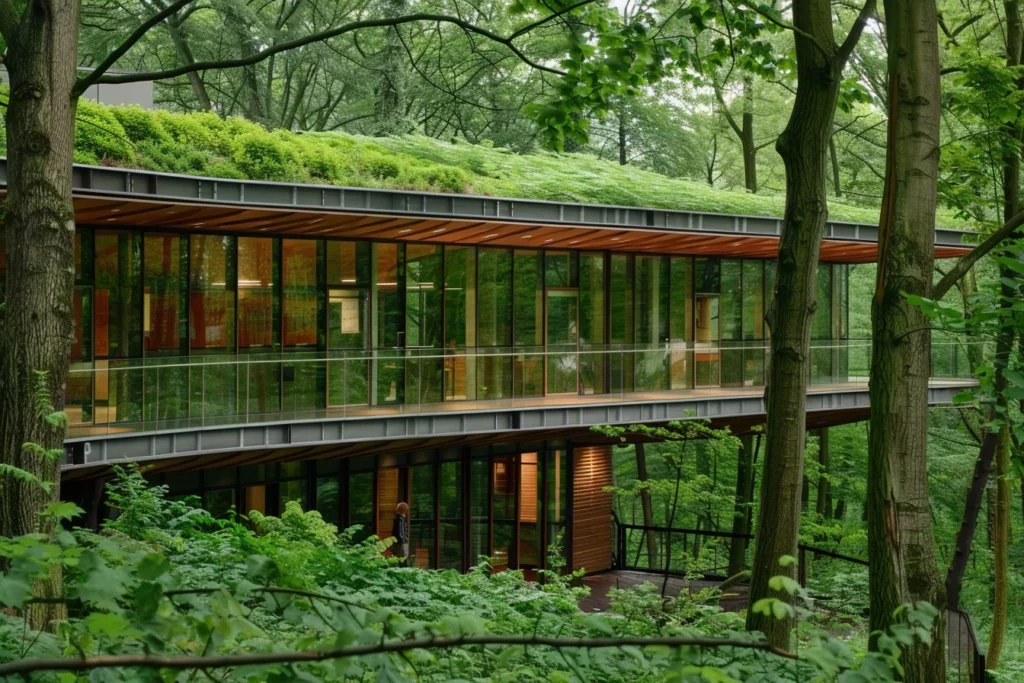
The 100-Year Question
We’re collaborating with ecologists and climate scientists on something we call The 100-Year Atlas—a predictive design tool that:
- Models tree growth for major urban species over century timescales
- Calculates carbon sequestration vs. embodied carbon in materials
- Simulates root expansion and canopy development
- Suggests where to “leave space” in current designs
- Visualizes what your building could look like when forest overtakes it
The uncomfortable part: It forces designers to imagine their work’s obsolescence.
The liberating part: It redefines success as “how well did you set the forest in motion?”
What We’re Building
The Future Forest Design Atlas is in development—an interactive tool for architects, landscape designers, and planners to:
- Input site conditions and design intentions
- Model tree species and growth trajectories
- See their building at 25, 50, and 100 years
- Calculate long-term carbon outcomes
- Design adjustable/removable elements for key growth phases
But it’s more than software. It’s a methodology shift.
We’re working with:
- Arborists modeling growth patterns for climate-changed futures
- Structural engineers designing for intentional obsolescence
- Material scientists studying degradable foundations
- Philosophers and ethicists exploring architecture’s relationship to time
- Indigenous designers whose cultures have practiced this for millennia
The research questions we’re chasing:
- What’s the optimal foundation system for 50-year tree coexistence?
- How do building codes accommodate structures designed to be overtaken?
- What are the insurance and liability frameworks for buildings with planned obsolescence?
- How do we value property that’s designed to become forest?
The Ethics of Letting Go
This approach requires confronting architecture’s ego.
We design permanence. We build legacy. We want our work to last.
But what if the highest form of architectural achievement is designing something that gracefully disappears?
“Architecture that anticipates its own obsolescence is the purest form of humility.”
It’s a profound shift: from architect as monument-builder to architect as ecosystem initiator.
Who This Is For
This isn’t for everyone. And that’s fine.
If you’re thinking:
- “My clients would never accept a building designed to be temporary”
- “Building codes don’t allow this”
- “There’s no business model for graceful obsolescence”
You’re probably right. This is frontier territory.
But if you’re asking:
- “What if we designed for the century, not the decade?”
- “How can my work participate in ecological succession instead of resisting it?”
- “What would architecture look like if we accepted impermanence?”
We should talk.
What We’re Looking For
Collaborators in succession design:
- Architects willing to prototype adjustable building systems
- Developers interested in long-term ecological value propositions
- Cities exploring policy frameworks for regenerative architecture
- Material scientists working on degradable structural systems
- Anyone designing for timescales beyond their own lifetime
Projects we want to study:
- Buildings with removable sections designed for tree growth
- Master plans that map century-scale canopy development
- Successful examples of intentional architectural obsolescence
- Indigenous or traditional practices of building-forest coexistence
Research partnerships:
We’re documenting succession design principles, growth modeling methodologies, and long-term carbon accounting frameworks. If you’re researching:
- Time-based design ethics
- Ecological succession in built environments
- Architecture and deep time
- Climate adaptation through regenerative design
Let’s collaborate
Get in Touch
Ready to design beyond your own lifetime?
Contact us to discuss:
- The 100-Year Atlas methodology (beta access available)
- Succession design principles for your project type
- Collaboration on frontier research
- Speaking engagements on regenerative time-based design
Want to see your project in 2125?
We’re offering visualization partnerships for projects exploring succession design. We model your building’s century-scale future—including tree growth, material decay, and ecological integration.
“Our role isn’t to finish the landscape—it’s to set it in motion.”
“What if the greatest buildings are the ones that know when to let the forest win?”